Understanding Metal Roofing Solutions
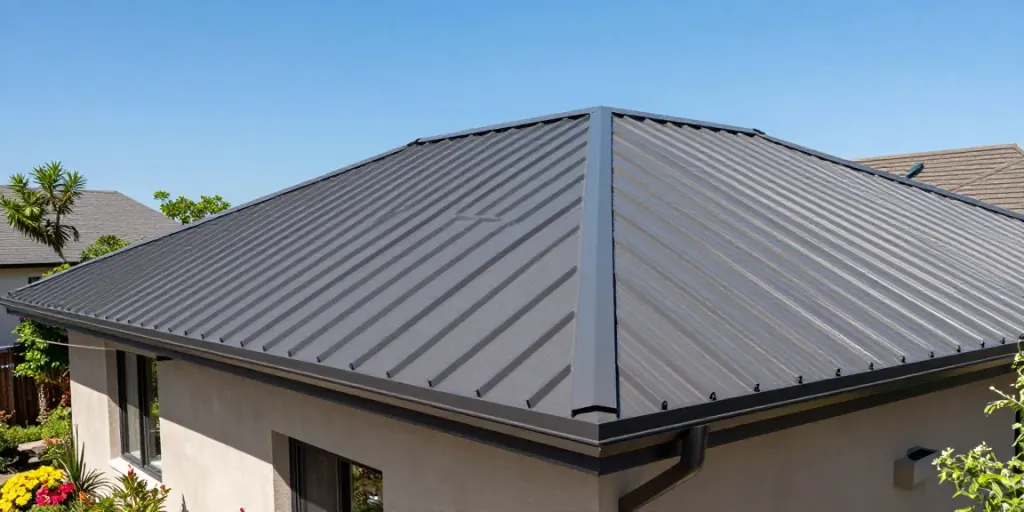
When it comes to enhancing your home’s durability, aesthetics, and energy efficiency, Metal Roofing Solutions present an excellent option. Among various roofing styles, standing seam metal roofing stands out as the preferred choice for both residential and commercial structures. This innovative roofing type is designed for modern architectural styles, ensuring not only function but also form.
What Are Metal Roofing Solutions?
Metal roofing solutions encompass a variety of roofing systems that utilize metal as a primary material. Common options include standing seam roofs, which feature vertical panels interlocking at the seams, and metal shingles, which replicate traditional roofing styles while offering enhanced durability. These systems are made from materials like galvanized steel, aluminum, and copper, providing homeowners with several choices that cater to their aesthetic and functional needs.
Benefits of Choosing Metal Roofing
- Durability: Metal roofs are known for their long life span, often lasting 40 to 70 years, thanks to their resilient material composition.
- Energy Efficiency: They reflect solar radiant heat, contributing to lower energy bills.
- Remarkable Weather Resistance: Metal roofing is engineered to withstand extreme weather conditions, including hail, strong winds, and heavy snow loads.
- Minimal Maintenance: Once installed, metal roofs require minimal maintenance compared to traditional roofing materials.
- Eco-Friendly: Many metal roofing materials are made from recycled content and are fully recyclable at the end of their long life cycle.
Common Metal Roofing Materials Compared
Among the various materials used in metal roofing, the most popular include galvanized steel, aluminum, and copper. Galvanized steel is particularly robust and cost-effective, making it a favorite for homeowners. Aluminum is lightweight and resistant to corrosion, ideal for coastal areas. Copper, while more expensive, offers a unique aesthetic appeal and longevity, making it a premium choice for high-end applications.
Installation Techniques for Metal Roofing
Proper installation is crucial for maximizing the benefits of your metal roofing solution. An experienced contractor can ensure the roofing is installed correctly, enhancing its performance and longevity.
Preparation Before Installation
Before beginning installation, it is vital to prepare the site adequately. This includes checking the roof structure for any damage and ensuring it is capable of supporting the metal roof. Additionally, selecting the right underlayment can enhance the roof’s performance.
Step-by-Step Installation Guide
- Remove Old Roofing: If applicable, strip the old roofing material to ensure a solid base.
- Install Underlayment: Place a waterproof underlayment to create a barrier against moisture.
- Measure and Cut Panels: Accurately measure and cut metal panels according to the roof size and design.
- Secure Panels: Install panels using a concealed fastening system to enhance aesthetics and performance.
- Finishing Touches: Add necessary trims and flashing to complete the installation and ensure weather-tight seals.
Best Practices for Ensuring Longevity
To ensure the longevity of your metal roof, regular inspections should be conducted. Look for any signs of rust, especially in areas where water accumulates. Additionally, keep the roof clean and free from debris such as leaves and branches, which can hold moisture and lead to corrosion.
Energy Efficiency and Cost Savings
One significant advantage of metal roofing is its energy efficiency, which leads to substantial cost savings over time.
How Metal Roofing Helps Save Energy
Metal roofs are adept at reflecting solar heat instead of absorbing it, which can considerably lower cooling costs in hot months. Moreover, when paired with proper insulation, these roofs will keep your home warm during winter, reducing heating expenses.
Calculating Long-Term Cost Benefits
While the initial investment for a metal roof may be higher than traditional materials, the long-term savings on energy bills and the roof’s lifespan can make it a cost-effective solution. A well-maintained metal roof can provide over 50 years of service, paying for itself multiple times over.
Understanding Tax Incentives and Rebates
Many homeowners may qualify for tax incentives and rebates for installing energy-efficient roofing solutions. Check local regulations to see if you can benefit from these financial incentives.
Maintenance and Care for Metal Roofs
Maintaining your metal roof is straightforward but essential for its long-term performance.
Routine Maintenance Tips
- Conduct regular inspections at least twice a year.
- Remove debris and clean gutters to prevent clogging.
- Clear snow accumulation to prevent ice damming.
Common Problems and Solutions
Common issues with metal roofs include rust, leaks, and loose fasteners. Regular inspections can help catch these problems early, allowing for timely repairs that can extend your roof’s life.
When to Seek Professional Help
If you notice any major issues, such as large rust spots or sagging panels, it’s time to call in a professional. Specialized knowledge will ensure that repairs are executed correctly and safely.
Future Trends in Metal Roofing Solutions
The metal roofing industry is rapidly evolving with new technologies and innovative practices enhancing its appeal.
Emerging Technologies and Innovations
Advancements in metal coatings, including self-cleaning and anti-corrosive properties, are making roofs more durable and easier to maintain. Furthermore, integration with photovoltaic solar panels is becoming increasingly common, allowing homeowners to harness renewable energy.
Market Trends for 2026
As awareness of sustainable building practices grows, the demand for metal roofing solutions is expected to increase. Homeowners are becoming more eco-conscious, and metal roofs' longevity and recyclability make them a suitable choice for this demographic.
Sustainable Practices in Metal Roofing
Many companies are now focusing on sustainable practices, such as using recycled materials and minimizing waste during the installation process. Investing in metal roofing not only protects your home but also the environment.