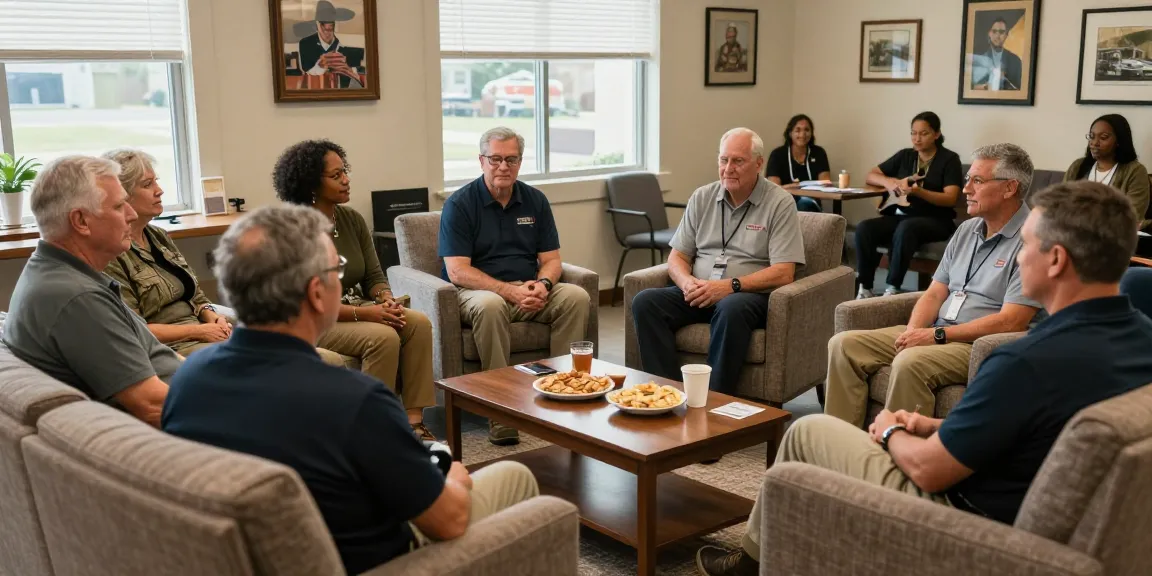
The Importance of Peer Support for Veterans
The transition from military to civilian life can be challenging for many veterans, leading to feelings of isolation and mental health struggles. For these individuals, Peer support for veterans emerges as a vital resource that fosters a sense of belonging and understanding. Through shared experiences and camaraderie, veterans can find a supportive community that aids their healing and recovery. This article explores the significance of peer support, its benefits, common challenges faced by veterans, and future trends that may shape these support systems.
Understanding the Role of Community in Healing
Community plays a fundamental role in the healing journey of veterans. Engaging with peers who have similar experiences can reduce feelings of loneliness and promote emotional well-being. Veterans often feel a unique bond with one another due to the shared intensity of military experiences, which can be difficult to articulate to those outside the service. Establishing a supportive environment where veterans can openly discuss their challenges fosters trust and validation, essential components in the healing process.
Benefits of Sharing Experiences Among Veterans
When veterans share their experiences, it serves multiple therapeutic purposes. Firstly, it normalizes their feelings and reactions, demonstrating that they are not alone in their struggles. Secondly, peer support provides practical advice and coping strategies that fellow veterans have found helpful. Lastly, sharing and listening to others' stories can instill a sense of hope and resilience, encouraging veterans to take actionable steps towards recovery.
Statistics on Veteran Well-being and Support Systems
Statistics reveal alarming trends regarding veteran well-being. According to the U.S. Department of Veterans Affairs, around 20% of veterans experience post-traumatic stress disorder (PTSD) or depression, while over 50% do not seek help due to stigma or lack of access to care. These numbers underscore the critical need for peer support networks to bridge the gap between veterans and mental health resources, creating pathways for healing through community connection.
Common Challenges Facing Veterans
Identifying Mental Health Issues Post-Service
One of the foremost challenges for veterans is recognizing the signs of mental health issues post-service. Symptoms of PTSD, anxiety, and depression can manifest in various ways, often leading to misunderstandings or reluctance to seek help. Educating veterans about these issues is essential to encourage them to reach out for support.
Barriers to Seeking Help and Support
Barriers to seeking help include stigma, lack of awareness, and perceived unavailability of resources. Many veterans fear being judged or labeled, which can prevent them from accessing the help they need. Additionally, logistical barriers such as transportation issues or complex healthcare systems can further complicate their ability to seek support.
Misconceptions About Veteran Support Networks
There are numerous misconceptions about veteran support networks that can hinder effective engagement. Some veterans may believe that peer support groups are only for those with severe issues, while others may assume that these networks lack the structure or professionalism of traditional therapy. Clarifying these misconceptions is crucial for increasing participation and fostering a supportive community.
Building an Effective Peer Support Program
Best Practices for Establishing Support Groups
To build an effective peer support program, several best practices should be followed:
- Inclusivity: Ensure that the group is open to all veterans, regardless of their service branch or discharge status.
- Creating Safe Spaces: Establish guidelines to promote respect and confidentiality within the group.
- Structured Meetings: Offer a mix of structured activities and open discussions to cater to different comfort levels.
- Recognition of Trained Leaders: Utilize trained facilitators who can guide discussions and ensure the group remains productive and focused.
Training and Resources for Peer Support Leaders
Effective peer support leaders play a pivotal role in maintaining the quality and impact of support groups. Providing training that covers areas such as trauma-informed care, active listening, and conflict resolution equips leaders with the necessary skills to facilitate meaningful conversations. Furthermore, access to resources can enhance their understanding of mental health issues prevalent among veterans.
Case Studies of Successful Veteran Support Programs
Several successful veteran support programs underscore the effectiveness of peer support. Programs like the Veterans Affairs’ “Vet Centers” provide community-based counseling and outreach services. Another notable example is the “Battlefield to Hallway” initiative, which pairs veterans with trained peer mentors, exemplifying how structured support can lead to improved outcomes such as increased engagement with mental health services.
Measuring the Impact of Peer Support
Qualitative and Quantitative Metrics for Success
To assess the effectiveness of peer support programs, both qualitative and quantitative metrics should be employed. Quantitative metrics may include tracking the number of participants, attendance rates, and follow-up engagement. Qualitative assessments can involve participant feedback through surveys or interviews, capturing personal stories that reflect the emotional and psychological benefits of peer support.
Feedback Mechanisms for Continuous Improvement
Establishing robust feedback mechanisms is crucial for continuous improvement of support programs. Regularly soliciting input from participants can help identify areas for enhancement and allow the program to adapt to the evolving needs of veterans. This iterative process not only improves the experience for participants but also reinforces a culture of open communication and growth.
Real-World Outcomes and Testimonials from Veterans
Real-world outcomes provide compelling evidence of the benefits of peer support. Veterans who have participated in support groups often report increased feelings of empowerment and improved coping strategies. Testimonials highlight transformative experiences, with many veterans expressing that peer support has been a lifeline during their recovery journey.
Future Trends in Veteran Support
Emerging Technologies in Peer Support for Veterans
As we look towards the future, emerging technologies are likely to play an integral role in enhancing peer support for veterans. Virtual reality (VR) therapy, for instance, may offer immersive experiences that help veterans confront and process traumatic memories. Similarly, digital platforms can facilitate peer connections, allowing veterans to engage with support groups regardless of geographical barriers.
Predictions for Veteran Care Strategies in 2026
By 2026, it is anticipated that veteran care strategies will increasingly incorporate holistic approaches, emphasizing the importance of mental health alongside physical health. Integrated care models that combine peer support with traditional therapeutic interventions will likely become more prevalent, creating a comprehensive support system for veterans.
Adapting Support Systems for Changing Demographics
As demographics among veterans shift, support systems must adapt accordingly. Younger veterans may prefer technology-driven support, while older veterans might favor more traditional, face-to-face interactions. Tailoring programs to fit these diverse preferences will be essential for engaging all segments of the veteran population effectively.
What is the Role of Family in Veteran Support?
Family members play a critical role in a veteran's support network. Educating families about the challenges veterans face can empower them to provide effective support. Programs that involve family participation in peer support can strengthen these bonds and promote a collective healing journey.
How Can Communities Better Support Veterans?
Communities can play a vital role in supporting veterans by fostering an inclusive environment that acknowledges their sacrifices. Initiatives such as local veteran meetups, awareness campaigns, and employment programs can create pathways for veterans to reintegrate into civilian life, thereby reducing isolation and promoting well-being.
What Resources are Available to Veterans in Need?
Veterans have access to various resources, including government programs, non-profit organizations, and community support groups. The VA offers a range of services, including mental health counseling, financial assistance, and housing support. Moreover, local organizations often provide peer mentorship and connections to job training programs.
How Does Peer Support Compare to Traditional Therapy?
Peer support differs from traditional therapy in that it emphasizes shared experiences and mutual understanding rather than a clinical approach. While therapy can provide professional guidance, peer support offers a unique environment where veterans can relate to one another on a personal level. The effectiveness of these two approaches can be complementary, as veterans may benefit from both therapeutic modalities.
What Success Stories Highlight the Benefits of Peer Support?
Success stories abound in the realm of peer support for veterans. Various programs have reported instances where engagement in peer support led to significant improvements in mental health, social relationships, and overall quality of life. Many veterans attribute their recovery to the connections they made with fellow service members, emphasizing the critical role of community in overcoming personal challenges.